
(Three-minute read)
It’s a question often posed to those with an avian obsession: What was your spark bird? That is, what bird first captured your heart and inspired you to become a birder—a highly distractable individual who interrupts conversations if a shape in the sky enters their peripheral vision, and who gazes for long moments into trees and thickets, hoping for a glimpse of a feathered thing, hoping to call it by name before it flits away.
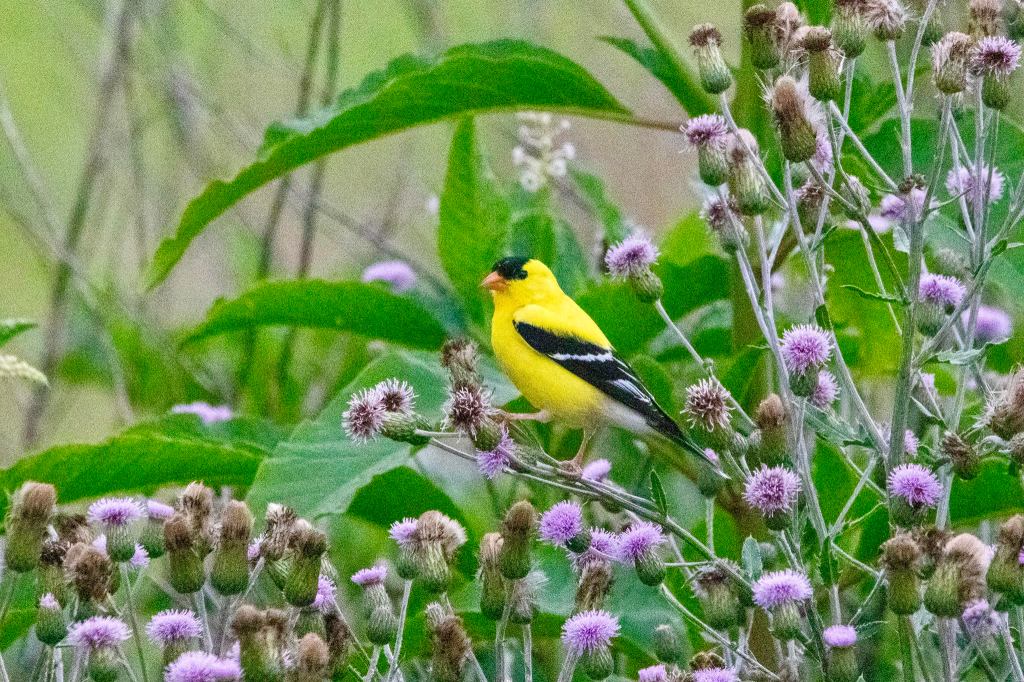
For me, it was the American goldfinch. When I was a preteen, I watched the male birds, in their brilliant-yellow breeding plumage, perch on feeders my father filled with thistle seed. Oh, what avian eye candy!
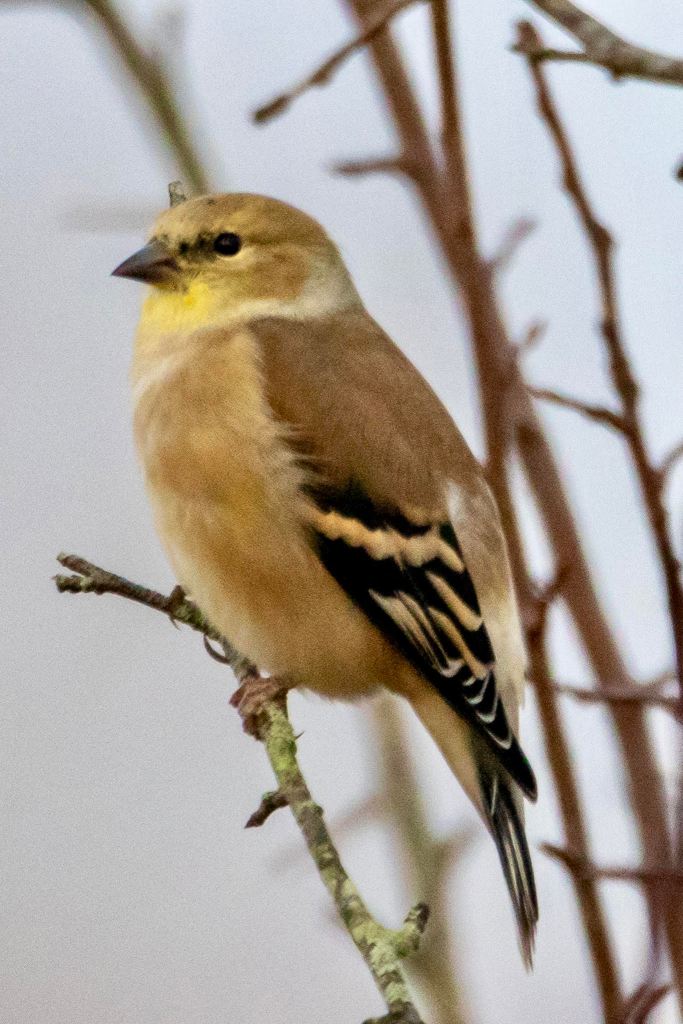
While gaping at the showy finches, I also observed the upside-down antics of white-breasted nuthatches and the raucous squawking of blue jays as they swooped in to steal a peanut. I soon grew to love my year-round avian neighbors, and found calm and comfort watching their dramas unfold in my backyard.
But it wasn’t until I moved to West Virginia, many years later, that I learned of other, stunningly beautiful birds that migrate to neighborhoods and woodlands every spring from South America to breed, crossing the Gulf of Mexico in a single, arduous flight. The rose-breasted grosbeak, the black and flame-orange American redstart, the sleek scarlet tanager, and many more count on hospitable territory on both continents to survive.
Tragically, due to habitat loss, climate change, pesticide use, plastic pollution, glass collisions, and other causes, these birds and others are in severe decline. According to the American Bird Conservatory (ABC) (www.abcbirds.org) dozens of bird species native to the Americas, including the beloved wood thrush “may face extinction in the next decades, if current trends continue.” (Hear the wood thrush’s ethereal flute song here: https://tinyurl.com/yy5ubmb7)

Of course, die-hard birders are not the only ones who treasure the presence of birds in their lives. Many would be bereft without the color, music, and spark they lend to gardens, woodlots, riverbanks, and trails.
What can we do? ABC says avoid using pesticides, keep cats indoors, and plant native plants that support the insects birds eat.
We can also enhance our windows with decals or other recommended treatments (see Preventing Bird Collisions at Home – American Bird Conservancy) to prevent bird strikes, which, according to ABC, kill up to a billion birds each year in the United States!
Click here Bing Videos for the moving “Bird Safe” video about how students at Princeton University tackled bird window collisions on their campus.
In addition, we can support organizations like ABC (www.abcbirds.org) and the Cornell Lab of Ornithology Cornell Lab of Ornithology—Home | Birds, Cornell Lab of Ornithology, that are working hard to stabilize bird populations and prevent extinctions. You will learn so much visiting their websites!
For me, a little yellow bird sparked a lifelong passion. Now’s the time for all of us to become passionate about helping the winged ones that brighten our lives and are integral to our ecosystems.


 Sheila McEntee
Leave a reply to Dan Cancel reply